From the sacred streets of Jerusalem to the sun-soaked beaches of Tel Aviv, Israel is a land where ancient history seamlessly blends with vibrant modern culture. Whether you’re embarking on a spiritual journey, indulging in a culinary adventure, or unwinding by the sea, this guide has everything you need to plan your next trip Israel.From the sacred streets of Jerusalem to the sun-kissed beaches of Tel Aviv, Israel is a destination where ancient history meets modern culture, and where every traveler can find their rhythm. Whether you’re seeking a spiritual pilgrimage, a culinary adventure, or a relaxing escape by the sea, this guide covers everything you need to plan your perfect vacation in Israel.
When is the Best Time to Visit Israel?
Spring (March–May)
This is arguably the best season to explore Israel. Temperatures are mild, ranging between 15–25°C (59–77°F), and the countryside is in full bloom. National parks and hiking trails come to life with wildflowers, and major cities host outdoor festivals. It’s an ideal time for exploring Jerusalem’s historic sites or hiking in the Galilee and Golan.
Summer (June–August)
Expect hot, dry weather with average highs exceeding 30°C (86°F), especially in the dry inland and desert areas. Coastal cities like Tel Aviv, though very humid, thrive with vibrant nightlife, beach festivals, and open-air dining. While this is peak tourist season, those looking to enjoy Israel’s beach culture and outdoor parties will find summer thrilling.
Fall (September–November)
A shoulder season that combines pleasant weather with fewer crowds. The heat subsides, making it great for desert treks or city walks. Autumn is also harvest time, meaning wine festivals and fresh local produce are abundant in regions like the Judean Hills and Galilee.
Winter (December–February)
Mild winters on the Mediterranean coast allow for sightseeing in Tel Aviv and Haifa. Snow occasionally falls in Jerusalem and the Golan Heights, offering a unique experience. The Dead Sea region is especially attractive in winter, with warm temperatures and fewer visitors.
Note: Be mindful of Jewish holidays like Passover, Rosh Hashanah, and Yom Kippur. During these times, transport and businesses may close, and accommodation prices often rise.
Essential Travel Tips for Visiting Israel
- Currency: Israeli New Shekel (ILS). ATMs are widely available, and most places accept credit cards.
- Language: Hebrew and Arabic areis the official languages, but English is commonly spoken in tourist areas.
- Transportation: Intercity trains and buses are efficient and affordable. For maximum flexibility, especially in the north or desert areas, consider renting a car.
- Sabbath (Shabbat): Starts Friday evening and ends Saturday night. Many services (including public transport and many restaurants) shut down, especially in Jerusalem. . Tel Aviv remains livelier.
- Dress Code: While Tel Aviv is casual and liberal, modest attire is advised when visiting religious sites in Jerusalem, Tzfat, or Nazareth.
- Safety: Israel is generally safe, including for solo travelers. Remain informed of travel advisories and avoid sensitive border areas, unless part of a guided tour.
- Connectivity: Public Wi-Fi is widely available, especially in cities and along the coast. Consider buying a local SIM card with data for convenience.
-
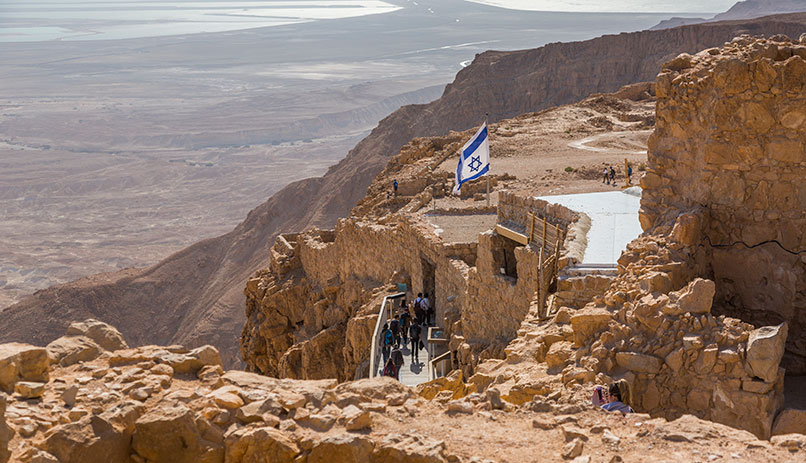
The commandant building in Masada
-
What are the top places to visit in Israel?
Jerusalem
A city of unmatched spiritual and religious significance, Jerusalem offers a deep dive into the roots of three major religions. Walk through the Old City’s four quarters (Jewish, Christian, Muslim, and Armenian) to encounter world-famous sites:
- Western Wall: A sacred site for Jewish prayer.
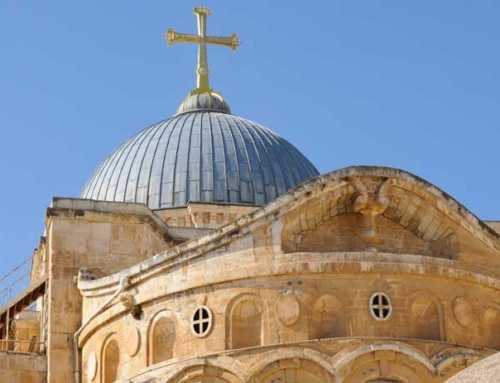
- Church of the Holy Sepulchre: Believed to mark the site of Jesus’ crucifixion and resurrection.
- Dome of the Rock: An iconic Islamic shrine atop the Temple Mount.
- Mahane Yehuda Market: By day, a buzzing food market; by night, a hotspot for bars and live music.A buzzing food market by day, a hotspot for bars and live music by night.
- Yad Vashem: The national Holocaust memorial and museum.
Tel Aviv
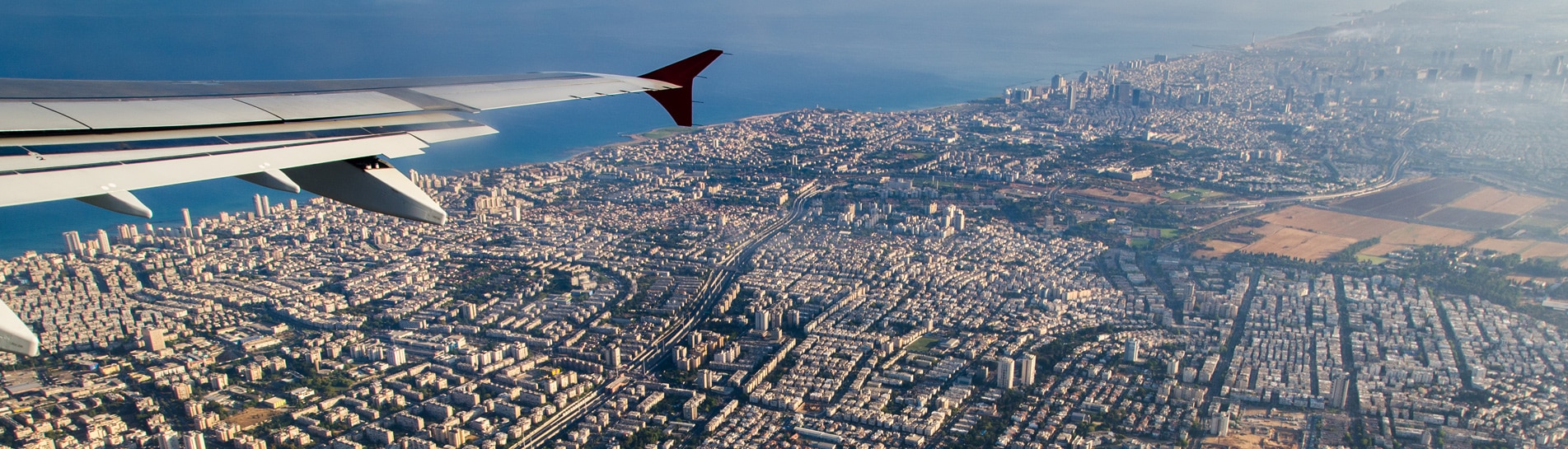
Israel’s cultural and business capital is youthful, liberal, and buzzing with life:
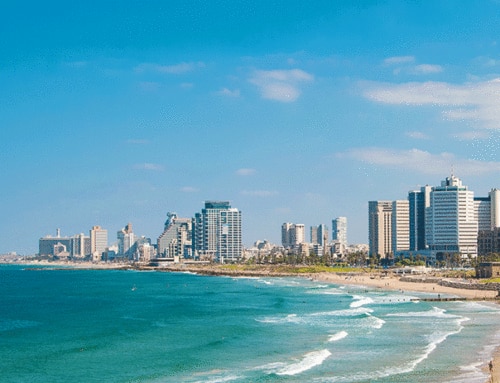
- Beaches: Gordon, Hilton, and Frishman are among the most popular. Each has its own vibe—, from family-friendly to LGBTQ+-friendly. Read more about Tel Aviv beaches.
- Nightlife: The city comes alive after dark with rooftop bars, underground clubs, and beach parties. Explore Tel Aviv’s nightlife.
- Neve Tzedek & Florentin: Art galleries, designer boutiques, and street murals give these neighborhoods an artsy, bohemian feel.
Dead Sea & Masada
- Dead Sea: The lowest place on Earth. Enjoy floating effortlessly in salty waters and slathering on mineral-rich mud with reputed healing properties.
- Masada National Park: Hike up the Snake Path or take the cable car to this ancient fortress and UNESCO site for panoramic desert views and an emotional history lesson.
Galilee & Northern Israel
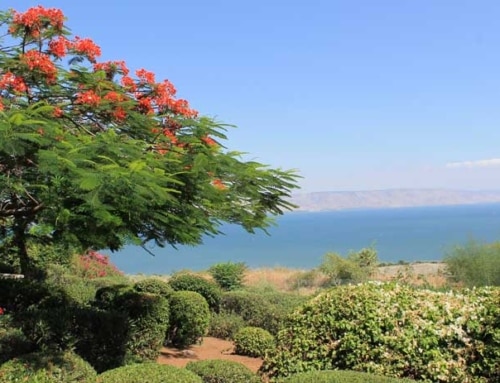
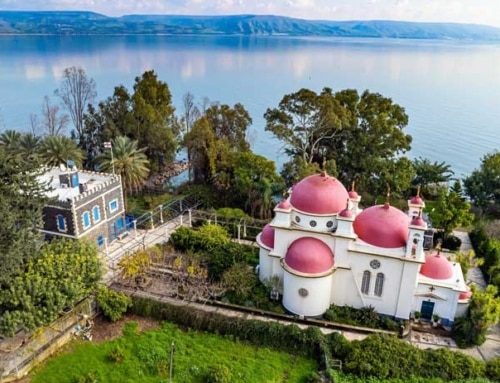
- Sea of Galilee: Biblical Home to biblical landscapes and Christian pilgrimage sites like Capernaum, Mount of Beatitudes, and Tabgha.
- Golan Heights: Known for its wineries, waterfalls, and outdoor activities like rafting and skiing in winter.
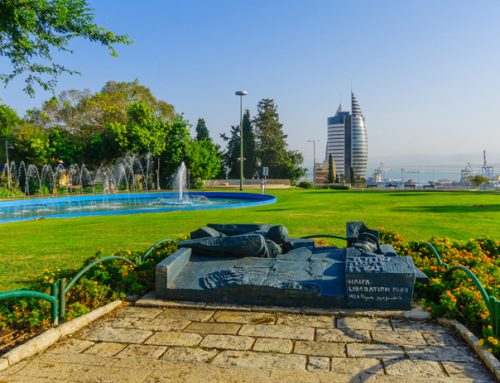
- Acre (Akko) & Haifa: Historic port towns with UNESCO-listed Crusader sites, colorful bazaars, and scenic vistas from the Baha’i Gardens.
egev Desert & Eilat
- Ramon Crater (Makhtesh Ramon): A geological wonder in the heart of the Negev. Ideal for hiking, jeep tours, and stargazing.
- Eilat: Israel’s resort town on the Red Sea. Great for snorkeling, diving, and enjoying the vibrant coral reefs.
Sample Itinerary: Seven-Day Highlights Tour
- Day 1-2: Arrive in Jerusalem. Visit the Old City, Western Wall, Via Dolorosa, and Yad Vashem. Enjoy a rooftop dinner.
- Day 3: Drive to the Dead Sea and Masada. Float, hike, and relax at a spa resort.
- Day 4: Explore Tel Aviv – s. Stroll the promenade, shop on Sheinkin Street, and enjoy beach time.
- Day 5: Day Take a day trip to Caesarea and Haifa, or opt for wine tasting in the Judean Hills.
- Day 6: Head north to Galilee. Visit biblical sites, take a boat ride on the Sea of Galilee, and enjoy local cuisine.
- Day 7: Return to Tel Aviv for markets, museums, and a final sunset at the beach.
Common questions Questions about About Israel
Is Israel safe for tourists?
Yes, especially in major cities and tourist destinations. Exercise standard travel caution and check governmental advisories.
Do I need to dress modestly?
Only, when visiting religious sites or cities like Jerusalem and Tzfat. Elsewhere, casual dress is acceptable.
Can I travel during Shabbat?
Public transportation pausesis not available during Shabbat, but taxis operate, and in cities like Tel Aviv, many restaurants remain open.
Is tipping expected?
Yes –, 10%–15% is customary in restaurants.
What should I pack?
Comfortable shoes, layers for changing weather, sun protection, a reusable water bottle, and modest attire for religious visitssites.
Final Tip
Israel is small, but compact yet incredibly diverse. Each region tells a different story, from biblical legends in the Galilee, to Bauhaus architecture in Tel Aviv, and to desert mystique in the Negev. Whether you’re watching a sunrise over Masada or tasting shakshuka in a Tel Aviv café, every moment in Israel is an opportunity to connect with history, culture, and nature.
Fly with EL AL and start your unforgettable journey to Israel today.