When planning a trip to Israel, it’s essential to know that the country’s rhythm follows the Jewish calendar. From the solemn silence of Yom Kippur to the colorful street parades of Purim, holidays in Israel are more than religious dates; they shape the country’s atmosphere, culture, and even transportation schedules.
For travelers, understanding Israel’s holidays can turn a regular trip into an unforgettable cultural experience. Here’s your complete guide.
Spring Holidays and National Days – Freedom and National Identity
Passover (Pesach)
- Celebrated in March or April (depending on the year), this seven-day holiday commemorates the Exodus from Egypt.
- Families gather for a festive “Seder” meal.
- Most restaurants serve special Passover menus, and leavened bread is replaced with matzah for the duration of the holiday.
- Expect limited public transport and some closures, but also a lively atmosphere, as well as ample nature reserves and hiking trails to visit.
Yom HaZikaron (Memorial Day) & Yom Ha’atzmaut (Independence Day)
- Both national days fall in April or May (depending on the year).
- Memorial Day is marked by sirens, ceremonies, and national mourning.
- Immediately after, Independence Day begins with concerts, street parties, and nationwide celebrations, a unique emotional contrast that moves locals and visitors alike.
Summer Holidays – Harvest and Community
Shavuot
- Occurs in late May or early June (depending on the year).
- Known as the “Festival of Weeks,” it’s associated with agriculture and first harvests.
- Israelis celebrate with dairy meals, flower decorations, and community events in kibbutzim and villages.
- Shavuot is a wonderful time for travelers to experience authentic rural life.
Autumn Holidays – Renewal and Reflection
Rosh Hashanah (Jewish New Year)
- Rosh Hashanah takes place in September or October (depending on the year).
- Families celebrate with festive meals featuring symbolic foods like apples dipped in honey.
- Synagogues are filled with prayer, and there’s a strong sense of community about.
Yom Kippur (Day of Atonement)
- Yom Kippur takes place ten days after Rosh Hashanah.
- The holiest day of the year, Yom Kippur is a 24-hour period of fasting and prayer.
- Entire cities shut down. No cars or public transportation are available, and shops and restaurants are closed. Streets are empty and quiet, except for children cycling, a truly unique sight for visitors.
Sukkot
- Celebrated just after Yom Kippur, this holiday lasts a full week.
- Families build decorative “sukkahs” (temporary huts) outside their homes, and cities host festivals, concerts, and outdoor markets.
- Sukkot is a great holiday for travelers, as attractions remain open and festive events fill the streets.
Winter Holidays – Light and Joy
Hanukkah (Festival of Lights)
- Hanukkah usually falls sometime in December.
- This holiday features eight nights of candle-lighting ceremonies, colorful menorahs in public squares, and delicious sufganiyot (jelly-filled donuts).
- Families and tourists alike can enjoy cultural shows, children’s events, and vibrant city life.
Purim
• Purim usually falls sometime in March.
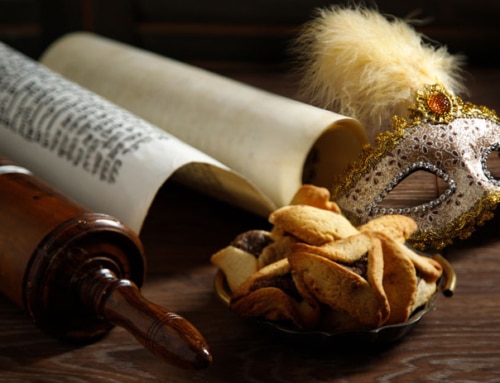
• As the most festive holiday of the year in Israel, Purim is marked by costumes, parades, and street parties.
• In Tel Aviv and Jerusalem, expect all-night celebrations, while smaller towns host family-friendly parades.
Tu BiShvat
- Tu BiShvat occurs in January or February (depending on the year).
- This holiday is also known as the “New Year of the Trees.”
- Tu BiShvat is celebrated with tree planting, nature walks, and feasts filled with dried fruits and nuts. This holiday is perfect for eco-conscious travelers.
Planning Your Trip Around Holidays
- Plan for closures. On major holidays like Yom Kippur and Passover, public transportation and shops shut down. Stock up in advance.
- Embrace the experience. Join public celebrations, taste traditional foods, and explore holiday markets.
Frequently Asked Questions
1.What are the major Jewish holidays in Israel?
Passover, Rosh Hashanah, Yom Kippur, Sukkot, Hanukkah, and Purim are the most widely observed.
2.Are shops and public transport closed on holidays and national days?
It depends on the holiday or national day. Closures are guaranteed on Yom Kippur, Rosh Hashanah, and Passover. On Hanukkah and Purim, however, most businesses and services remain open.
3.Can tourists participate in holiday celebrations?
Absolutely! Many events are public; street parades, candle lightings, and concerts are open to all.
4.When is the best time to visit Israel?
Spring (Passover) and autumn (Rosh Hashanah and Sukkot) are ideal times to visit Israel. You’ll experience pleasant weather, vibrant holiday life, and plenty of outdoor events.
Final Tip
Experiencing Israel during its holidays means more than sightseeing; it’s stepping into the cultural and spiritual heartbeat of the nation. Whether you join a Passover Seder, watch national celebrations on Independence Day, or wander through candlelit streets on Hanukkah, you’ll leave with memories that will last a lifetime.
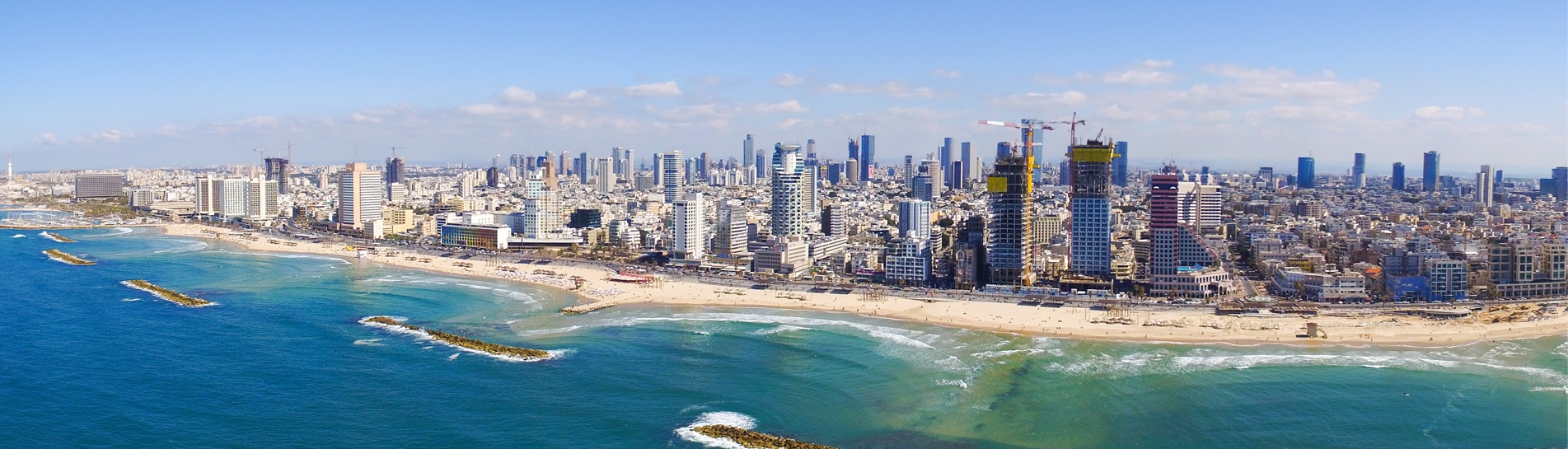
Plan ahead and book your EL AL flight from the U.S. to Tel Aviv or from the U.K. to Tel Aviv, and celebrate in Israel like a local.
Flying from somewhere else? Click here.