.
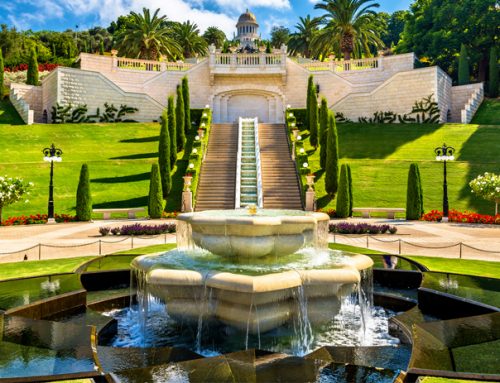
The Bahai Gardens in Haifa are a world-famous terraced garden and pilgrimage site located on Mount Carmel, overlooking the Mediterranean Sea. Tucked into the slopes of Mount Carmel and spilling down toward Haifa’s sparkling coastline, the Bahai Gardens are one of Israel’s most photographed and beloved attractions. This isn’t just a garden—it’s a world-famous landmark, a UNESCO World Heritage Site, and a peaceful escape in the heart of a bustling city. With 19 terraced levels, a golden-domed shrine, and panoramic views over the Mediterranean, the site offers a unique blend of beauty, culture, and calm. Whether you’re on a road trip through northern Israel or spending a day in Haifa, the Bahai Gardens are a stop you won’t want to miss.
Why Are the Bahai Gardens in Haifa?
The story of the Bahai Gardens starts with the Bahai Faith—a religion founded in the 19th century that teaches the unity of all people and religions. Haifa became a spiritual center for the Bahai world because it’s home to the Shrine of the Báb, one of the faith’s most important figures. The Báb’s resting place is at the heart of the gardens, and the striking golden dome above his shrine has become one of Haifa’s most recognized symbols.
Haifa was chosen not just for its beauty, but also for its accessibility and openness. The gardens reflect the Bahai values of peace, equality, and beauty, and are maintained by volunteers from around the globe.
What Will You See at the Bahai Gardens?
Prepare to be wowed by symmetry, serenity, and panoramic views. The gardens span 19 terraced levels that flow down the mountain like a green waterfall. Pathways wind between manicured lawns, sculpted hedges, marble staircases, and colorful flower beds. The centerpiece is the Shrine of the Báb, with its glowing gold dome and white stone walls.
From the upper terraces, you’ll get one of the best views in Haifa—across the bay, the port, and out to the Mediterranean. Whether you’re a photography buff, a garden lover, or just in need of some fresh air, it’s a peaceful place to pause and take it all in.
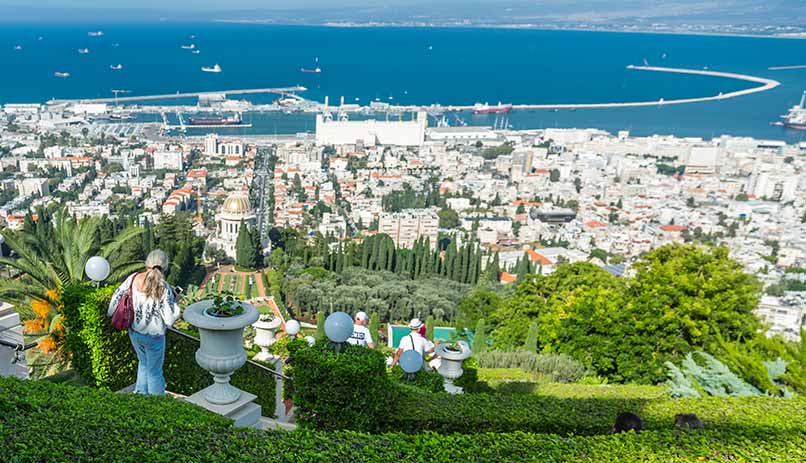
View from the Bahai Gardens of Haifa. Photo by Udi Goren
Can You Visit the Bahai Gardens?
Yes—and you definitely should. The gardens are open to all visitors and free to enter. You can explore parts of the upper terraces on your own or join a free guided tour for a more in-depth experience.
Visitor Etiquette:
- Dress modestly: Visitors are asked to wear clothing that covers the shoulders and knees. This helps maintain the respectful and spiritual atmosphere of the gardens.
- No food, drinks, or pets: The gardens are meant for quiet reflection and beauty. To keep the area clean and peaceful, eating and drinking are not allowed, and pets must be left at home.
- Maintain a quiet atmosphere: Please speak softly, silence mobile phones, and avoid playing music or making loud noises. The gardens are a place of contemplation for many visitors.
Guided Tours:
- Multiple languages available: Tours are offered daily in English, Hebrew, Arabic, and additional languages, depending on the day and guide availability.
- Free and easy to join: All tours are free of charge and led by knowledgeable volunteers. Space is limited, especially in high season, so it’s recommended to book ahead online or check availability at the garden entrance.
- What you’ll learn: The tours cover the story of the Bahai Faith, the life of the Báb, the design and symbolism of the gardens, and interesting facts about Haifa’s history and development.
Why Visit the Bahai Gardens?
Here’s why they belong on your Israel itinerary:
- Visual perfection: From every angle, the gardens offer picture-perfect symmetry, vibrant colors, and carefully curated design. Whether you’re snapping photos for social media or just taking in the view, the setting is unforgettable.
- Peaceful escape: Despite being in the heart of a bustling city, the gardens feel like a quiet sanctuary. The sound of flowing water, trimmed greenery, and peaceful walkways make it an ideal spot for reflection or simply to relax and recharge.
- Cultural insight: The Bahai Gardens are not just beautiful—they also offer a unique introduction to the Bahai Faith. You’ll discover how a global religion values unity, equality, and harmony with nature through the design and story of the place.
- Easy to access: Located in central Haifa, the gardens are within walking distance of major neighborhoods, hotels, and transportation. Whether you’re exploring the German Colony or just passing through, it’s a simple and worthwhile stop.
Whether you spend 30 minutes or two hours, the experience is both inspiring and enriching.
Tips for a Smooth Visit
- Opening Hours: Usually open Sunday through Friday. Closed on Bahai holy days and in heavy rain. Morning hours are quieter and cooler.
- Getting There: Haifa is connected by train and bus to Tel Aviv, Jerusalem, and other cities. The gardens are within walking distance of the German Colony and accessible by local bus or the Haifa Cable Car.
- What to Bring: Comfortable walking shoes, a water bottle, sun protection, and a camera. Large bags may need to be stored before entry.
What’s Nearby?
There’s plenty attractions to explore before or after your visit:
- German Colony: A historic district with cafes, restaurants, and boutique shops
- Louis Promenade: A scenic walkway above the gardens with panoramic views
- Haifa Museum of Art: Featuring Israeli and international exhibitions
- Stella Maris Monastery: Located at the top of Mount Carmel, with sweeping views and historic charm
Common Questions about
-
Why are the Bahai Gardens in Haifa?
Because Haifa is home to the Shrine of the Báb, an important figure in the Bahai Faith.
-
Can anyone visit the Bahai Gardens?
Yes! The gardens are open to everyone and entry is free.
-
What is the Bahai Temple?
Often referring to the Shrine of the Báb—marked by its golden dome—it’s a holy site for Bahais.
-
How long should I plan for my visit?
Anywhere from 30 minutes to two hours, depending on whether you take a tour.
-
Is there a dress code?
Wear modest clothing (no shorts or sleeveless tops).
-
Are the gardens accessible for people with disabilities?
Some areas are accessible, particularly the upper terrace viewpoint.
-
Are the gardens religious?
Yes, they are a sacred site for the Bahai Faith, but open to all.