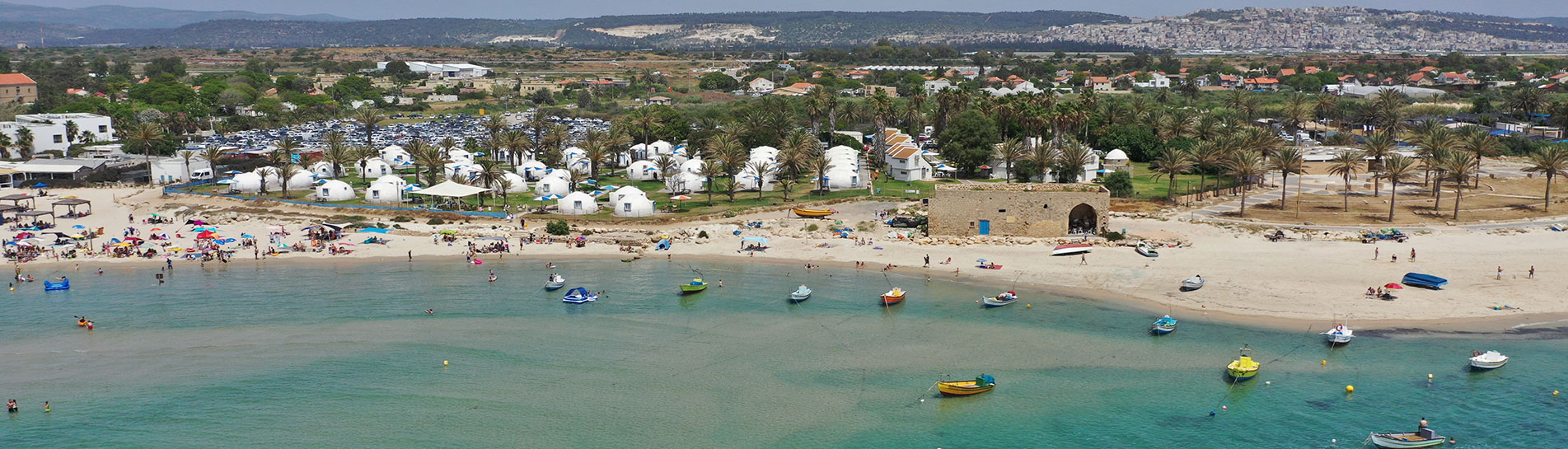
What do you get when you combine two stunning beaches — Dor Beach and Habonim Beach — with an ancient settlement and a fascinating archaeological museum? A perfect family day trip at Dor Habonim Beach Nature Reserve. This hidden gem along Israel’s Mediterranean coast blends nature, history, and relaxation into one unforgettable experience.
.
Why this coastline is special
You’ve explored the ruins of Caesarea and sipped wine in Zikhron Yaakov, but the coastal plain still holds surprises. This itinerary has everything families love: sandy coves, archaeological intrigue, and an ocean-view museum — all inside the Dor Habonim Nature Reserve.
Plan Your Day
What to pack
Bring bathing suits, comfy walking shoes, plenty of water, and a picnic lunch. Remember: you’re spending the whole day inside one of Israel’s most beautiful coastal reserves.
Getting there
Route 4 → Nahsholim Junction → Route 7011 (5 min to Dor Holiday Village)
Ample paid parking in summer
Dogs are welcome, but keep them leashed
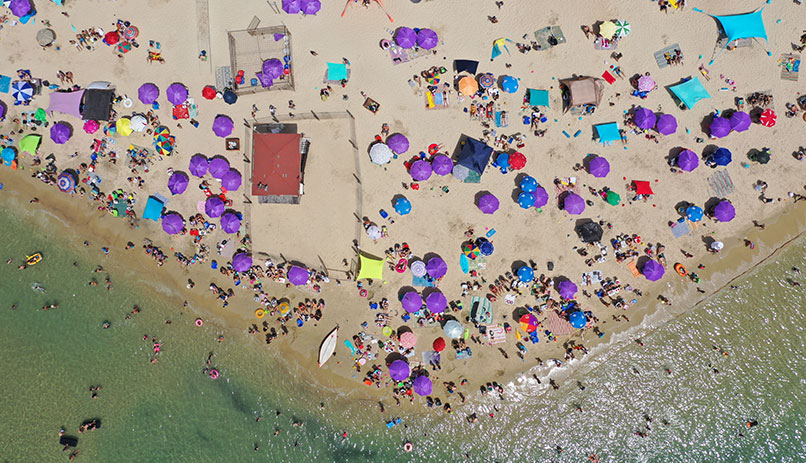
Beautiful Dor Beach
Dor Beach: islands, birds and an ancient port
We will start off at the southern end of Dor Habonim Nature Reserve. Take route 4 to Nahsholim junction, and head west on route 7011. You will pass over route 2, driving through agricultural lands, and should arrive at the Dor Holiday Village within five minutes.
The beach itself is a delightful place to relax and enjoy the beauty of the Mediterranean. In summer, you must pay to enter, but it is well worth it. Bathing is happily permitted, and dogs are welcome. Make sure to adhere to the opening hours – it is, after all, a nature reserve.
Looking out into the horizon, your eyes will be drawn to the four small islands peering out of the water. Three of these sandstone peaks can be reached by expert swimmers (although this is highly discouraged); the fourth, Hofmi, is off limits for human visitors, so as not to disturb the local inhabitants: aquatic birds that had made it their home.
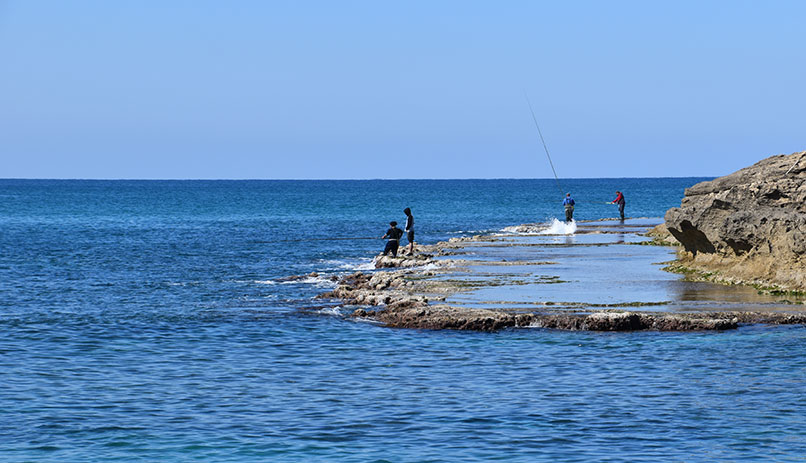
Dor Habonim Beach Nature Reserve
On the shore, an abandoned building from the Ottoman era attests to the history of the area. This is one of the only remaining structures from the old Arab village, Tantura, which was abandoned following the Arab-Israeli War of 1948. Entry is prohibited, but the view from outside is captivating.
Some 500 meters north lies Tel Dor, an ancient settlement, the history of which dates to the Middle Bronze Age. For centuries, Tel Dor has played a crucial role as a port for goods coming into and leaving the country. In fact, it was one of the very few natural harbors in the Levant. The shallow water and nature of the rock makes it a perfect habitat for various types of algae, sea slugs, crabs and small fish.
The Mizgaga Museum: archaeology and glass
You can now take a short break from the beach and pop over to the Mizgaga Museum, a museum of archaeology and glass. The museum is housed in a stone building dating back to 1891, a structure originally built by Baron Edmund De Rothschild and used as a wine bottle factory. Today, it is home to the multitude of archaeological artifacts that were uncovered during the digs in Tel Dor. The underwater experience is not to be missed – a room designed to emulate the ocean floor. Also on display are contemporary works by art students.
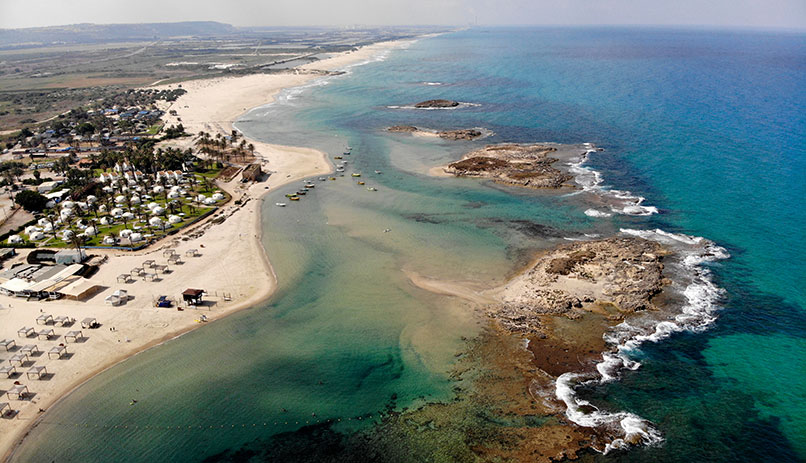
Dor Habonim Beach
Habonim Beach: rocks, inlets and caves
After the Mizgaga, head back to the beach and continue following the coastline. Two marked trails pass through the nature reserve. The red trail leads from Kibbutz Nahsholim, near Dor Beach, to Habonim Beach; the green trail is a scenic, circular route.
| Highlights | Length | Color | Trail |
| Tide pools, shipwreck remains | 4km one-way | Red | Coastal Link |
| Panoramic cliffs, shaded | 5km loop | Green | Scenic Loop |
Along the way to Habonim Beach you will encounter a rich tapestry of rock formations, inlets and naturally formed caves. The most famous of these caves is the Blue Cave, so named for the majestic blue hues of the water seen from within its hollow walls. The nearby seashell inlet is another lovely location to visit, but please refrain from collecting the shells.
Keen-eyed observers will be able to identify the remains of a sunken cargo ship, not too far out in the sea. At the end of the trail you will reach the lovely sheltered beach where you can spend many happy hours bathing, sun tanning and walking around the beautiful area.
Insider Tips
Reserve hours: gates close 30 min before sunset.
No lifeguard at Habonim Beach — supervise children at all times.
Wear water shoes; sharp rocks hide beneath the foam.
Spring and early autumn offer mild weather and fewer crowds.
Dor Habonim Beach Visitor FAQs
1. Do I need to buy a ticket to enter Dor Habonim Beach Nature Reserve?
Yes, during the summer season and holidays, entry is ticketed. Visitors can purchase passes through the Israel Nature and Parks Authority website or at the entrance.
2. Is Dor Beach suitable for young children?
Absolutely. Dor Beach has calm waters, sandy areas, and shaded spots, making it a great choice for families with small children.
3. Are there lifeguards at Dor and Habonim Beaches?
Lifeguard services are available at Dor Beach during the swimming season. Habonim Beach is part of the nature reserve and does not have a lifeguard on duty — swimming there is at your own risk.
4. Can I bring my dog to Dor Habonim Beach Nature Reserve?
Yes, dogs are allowed, but must be always kept on a leash. Be sure to clean up after your pet helps keep the reserve clean.
5. What’s the best time of year to visit Dor Habonim Beach?
Spring and early autumn are ideal — the weather is pleasant, the trails are blooming, and it’s less crowded than peak summer months.
6. Is there parking available near Dor Beach?
Yes, there is paid parking near Dor Beach, especially during the high season. Arrive early to secure a spot close to the entrance.
7. Can I visit the Tel Dor archaeological site?
Yes, Tel Dor is open to the public and is located just a short walk from the beach. Interpretive signs explain its fascinating history as a key ancient port city.
8. Is the Mizgaga Museum suitable for children?
Definitely. The museum has interactive exhibits and a simulated underwater experience that many children enjoy.