What is the City of David?
The City of David is the ancient heart of Jerusalem, where the earliest settlers built their homes and established a thriving community. Located just outside the walls of the Old City, this site holds immense historical and religious significance. As the original capital of King David’s kingdom, it became the foundation for the development of Jerusalem as we know it today. Over the years, archaeologists have uncovered remarkable finds that offer insight into the city’s past, including ancient fortifications, water tunnels, and inscriptions that link the site to biblical history. The City of David is one of the most fascinating attractions in Jerusalem, drawing visitors from around the world to explore its rich heritage and archaeological discoveries.
Why is the City of David One of Jerusalem’s Most Significant Historical Sites?
The City of David stands as a testament to Jerusalem’s rich and complex past. Considered the original core of ancient Jerusalem, this archaeological treasure provides a fascinating glimpse into the history that shaped the city. From its biblical connections to its role in modern archaeology, the City of David holds immense importance for Jews, Christians, and history enthusiasts worldwide.
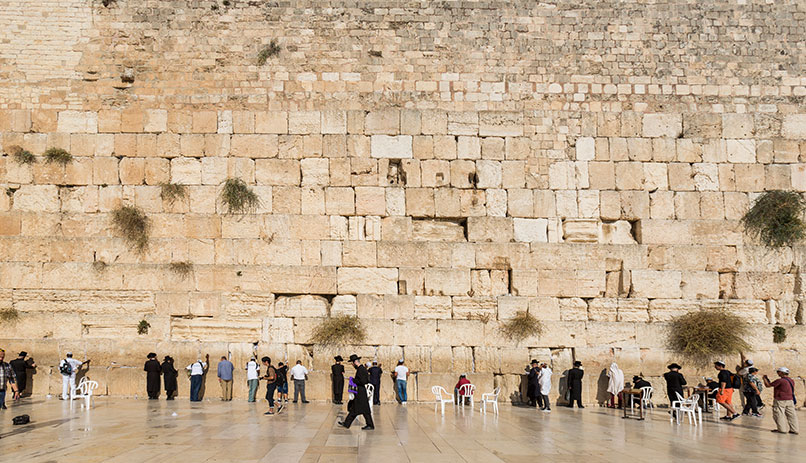
The Western wall in Jerusalem. Photo by Udi Goren
What is the Historical Significance of the City of David?
The City of David is often recognized as the foundation of Jerusalem. According to biblical tradition, it was established by King David as the capital of the united Kingdom of Israel. The area is home to significant archaeological discoveries, including:
- Hezekiah’s Tunnel – A remarkable feat of ancient engineering carved out of solid rock over 2,700 years ago. Its purpose was to transport water from the Gihon Spring to the Siloam Pool. This tunnel, measuring approximately 533 meters (1,750 feet) in length, is considered one of the most impressive water systems from the biblical period and remains accessible for visitors to walk through today.
- The Gihon Spring – One of the most important water sources of ancient Jerusalem, the Gihon Spring provided a steady supply of fresh water, enabling settlement and survival in the area. It played a critical role in the city’s defensive strategy, as its location outside the city walls led to the construction of sophisticated water systems, including Hezekiah’s Tunnel and Warren’s Shaft, to secure and transport water inside the city. The spring is also mentioned in biblical texts as the site where Solomon was anointed king.
- The Siloam Pool – An ancient reservoir with deep religious and historical significance, the Siloam Pool is mentioned in the Bible as a site of healing and ritual purification. It is most famously associated with the New Testament story in which Jesus healed a blind man by instructing him to wash in its waters. Originally built during the reign of King Hezekiah, the pool was later expanded during the Second Temple period to accommodate the large number of Jewish pilgrims coming to Jerusalem. Recent excavations have uncovered extensive remains of the pool’s structure, revealing its impressive scale and its role in the city’s ancient water system.
- Warren’s Shaft – A vertical tunnel discovered in the 19th century, believed to have been an essential component of the city’s original water system. It provided a means for ancient inhabitants to access the Gihon Spring from within the city’s fortified walls, reducing their exposure to potential external threats. Some scholars argue that Warren’s Shaft was used during the Jebusite period, predating King David’s conquest of Jerusalem. Although recent research suggests alternative explanations for its use, the shaft remains a key site for understanding the city’s early engineering ingenuity.
Through ongoing excavations, archaeologists continue to uncover evidence of the city’s early development and its impact on ancient civilizations.
What Are the Key Sites to Explore?
-
- The Archaeological Park – A vast, open-air museum displaying relics from ancient Jerusalem, including remnants of fortifications, palatial structures, and ancient streets. Visitors can explore artifacts from the First and Second Temple periods, witness active excavation sites, and view significant discoveries such as ancient inscriptions and architectural elements that provide insight into daily life in biblical times. This park offers a unique opportunity to walk through history and experience the evolution of one of the world’s most iconic cities.
- The Underground Tunnels – A remarkable network of subterranean passages that reveal the advanced water management systems and defense strategies of ancient Jerusalem. These tunnels include the famous Hezekiah’s Tunnel, which was engineered to secure the city’s water supply, as well as additional underground passageways used for transportation, protection, and religious purposes. Visitors can traverse these tunnels, immersing themselves in how residents navigated and protected their city thousands of years ago.
- The Pilgrimage Road – An extraordinary ancient pathway that once connected the Siloam Pool to the Temple Mount, allowing worshippers to ascend to the sacred Temple for religious observances and festivals. This road, constructed during the Second Temple period, was a vital route for Jewish pilgrims traveling to Jerusalem. Archaeological excavations have uncovered well-preserved stone-paved streets, drainage channels, and even coins dating back to the time of the Jewish revolt against Rome. Walking along this road offers visitors an unparalleled connection to history, retracing the steps of ancient pilgrims who made their way to the spiritual heart of Jerusalem.
What Attractions Are Near the City of David?
A visit to the City of David isn’t complete without exploring nearby attractions:
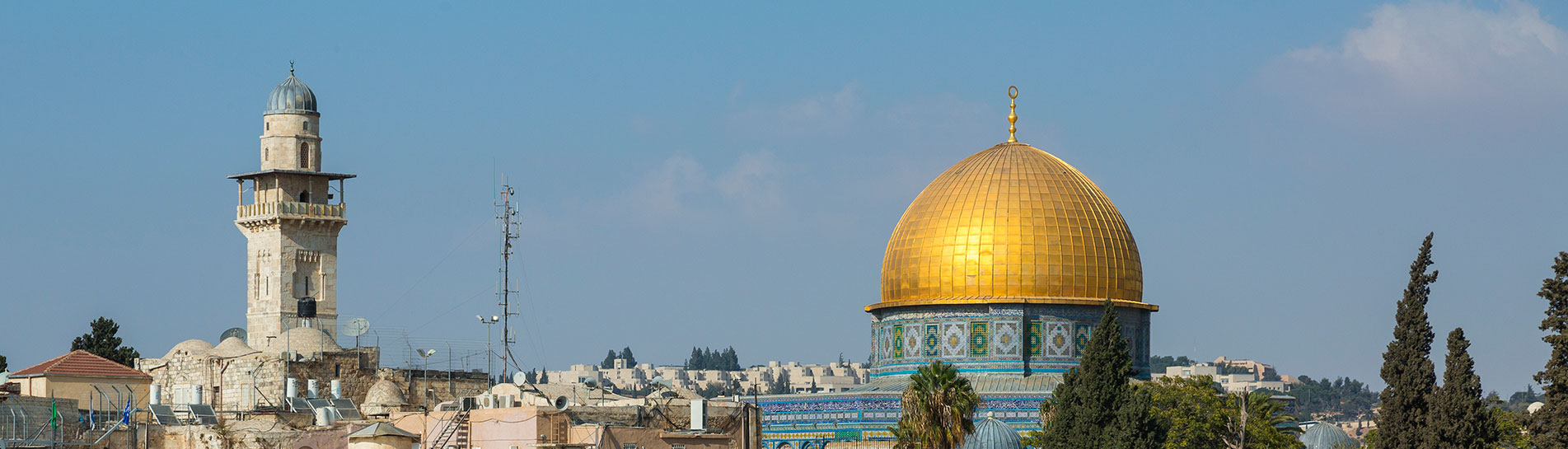
- Western Wall & Temple Mount: A sacred site for Jewish and Muslim worshippers, located a short walk away.
- Davidson Center Archaeological Park: Featuring ruins from the First and Second Temple periods.
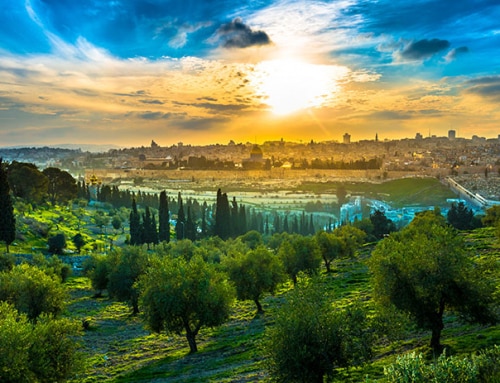
- Mount of Olives: At the Mount of Olives you can take a breathtaking panoramic viewpoint offering views of the Old City.
- The Old City of Jerusalem: Wander through its historic streets, vibrant markets, and spiritual landmarks.
- The Tower of David Museum: Learn about Jerusalem’s history through immersive exhibits.
Why Should You Visit the City of David?
Visiting the City of David is like stepping into a living museum of ancient Jerusalem. Whether you’re a history enthusiast, an archaeology lover, or just eager to experience the heart of Jerusalem’s origins, this site offers an unparalleled journey through time.
To make the most of your trip, consider joining a guided tour, exploring the underground tunnels, and venturing into the nearby historical and religious landmarks. Discover the stories that shaped one of the world’s most iconic cities.
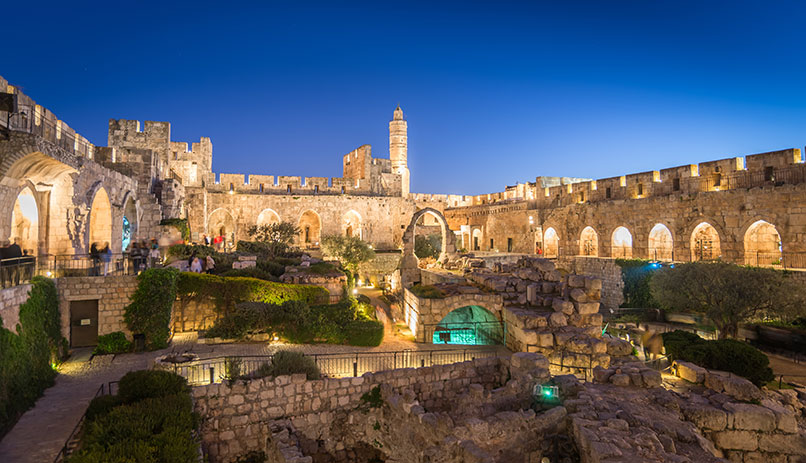
Tower of David Museum in Jerusalem
Common Questions About the City of David
1. What is the Best Time to Visit the City of David?
The best time to visit the City of David is during the spring (March-May) and fall (September-November) when the weather is mild and comfortable for walking tours. Summers can be hot, and winters may bring occasional rain, so visitors should dress accordingly and plan their visit based on seasonal conditions.
2. What is the best way to get to the City of David?
The City of David is located just outside the Old City walls of Jerusalem and is easily accessible by public transportation, taxis, and organized tours. Visitors can take the light rail to the Damascus Gate or use bus routes that stop near the Dung Gate.
3. How long does a visit to the City of David take?
A typical visit lasts between two to four hours, depending on the depth of exploration. Guided tours often range from 1.5 to three hours, with additional time recommended for exploring nearby attractions.
4. Is the City of David accessible for people with mobility challenges?
Some parts of the City of David, such as Hezekiah’s Tunnel and the underground passageways, may be challenging for individuals with mobility issues. However, certain areas, including the visitor center and some of the archaeological sites, are accessible.
5. Do I need to book tickets in advance?
While walk-in visits are possible, it is recommended that you book tickets in advance, especially during peak tourist seasons and holidays, to ensure availability for guided tours and special experiences.
6. What should I bring for my visit?
Comfortable walking shoes, a hat, water, and a flashlight (if planning to explore Hezekiah’s Tunnel) are recommended. In cooler months, a light jacket is advisable.
7. Are guided tours available in multiple languages?
Yes, guided tours are available in multiple languages, including English, Hebrew, and other commonly-spoken languages. Check in advance for specific language availability.
8. Can children visit the City of David?
Yes! The City of David offers family-friendly tours, and children often enjoy exploring the tunnels and interactive exhibits.
9. Is photography allowed?
Yes, photography is permitted in most areas, but it is advisable to check with your tour guide for specific restrictions in certain excavation zones.