All rivers run to the sea, and when it comes to Israel, almost all streams run to the Jordan River. Come and explore nature, water, hiking and history for the whole family
.
The Jordan River is a great water source for the entire northern region, fed primarily by three major streams: Dan, Snir (Hazbani) and Hermon (Banias). Wild in winter and low-key in summer, the northern streams offer a delightful water-filled expedition for all ages.
Dan River
The largest of the three main tributaries of the Jordan River, emanating from the Dan spring. The strong current maintains a cool temperature, year-round, and several small brooks offshoot from it and form a serene atmosphere for those seeking some solace from the wilder stream. The babbling brooks pass through Israel’s only wetland forest, a cool and shady home for rare salamanders. Several wading pools are a favored feature of the forest hiking trail, the first portion of which is wheelchair and stroller accessible.
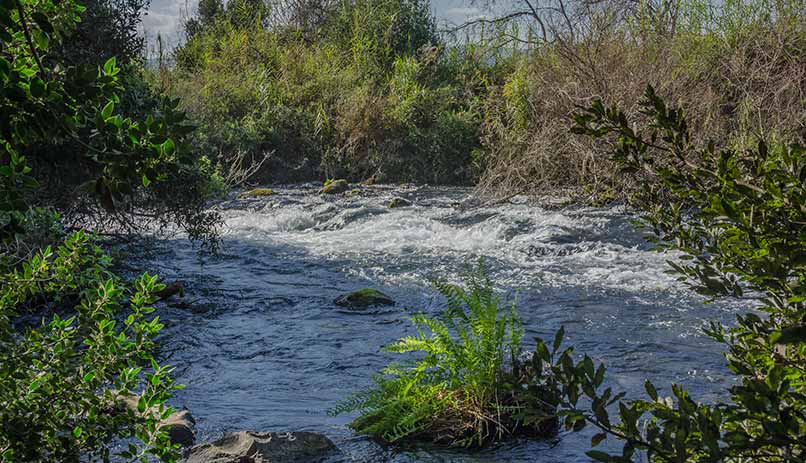
Dan stream in the north of Israel
Dan stream flows by ancient Tel Dan, the ruins of a Canaanite-era settlement whose strategic vantage point made it a prime choice for a military post up until 1967. Tel Dan’s gates have been carefully preserved, along with a ritual site dating back to the Israelite period. The ruins of four flour mills can also be seen along the hiking trail passing through Tel Dan.
Views of the Golan, Hula Valley, Mt. Dov and even Lebanon can be enjoyed from several observation points throughout the trail.
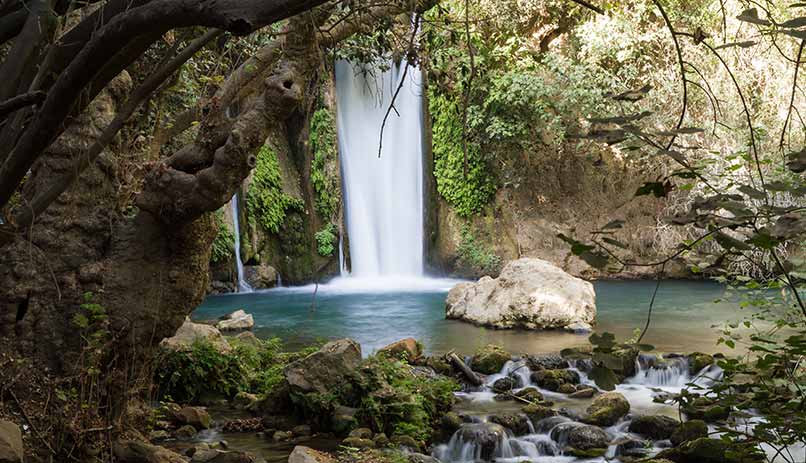
Banias stream in the north of Israel
Hermon (Banias) River
Descending the slopes of the Hermon Mountain, the Banias features a wild current, shallow pools and archeological gems spread out through a carefully kept nature reserve.
A well-crafted and clearly marked hiking trail guides visitors through the reserve from the Banias Spring towards the Banias Cave where an ancient altar dedicated to the Greek god Pan. The trail passes through ruins from the Roman and Crusader periods, including Roman baths and other archeological ruins such as temples and vast halls. The reserve’s crown jewel, an impressive (in Israeli standards) 10-meter-high waterfall, can be viewed up-close and personal from the newly constructed suspension bridge. A semi-operational flourmill can also be found here, as well as an old Syrian tank from the Six Days War.
Entry into the water is not permitted throughout the nature reserve, primarily due to the delicate ecosystem in place, but also for the strong currents of this chilly stream.
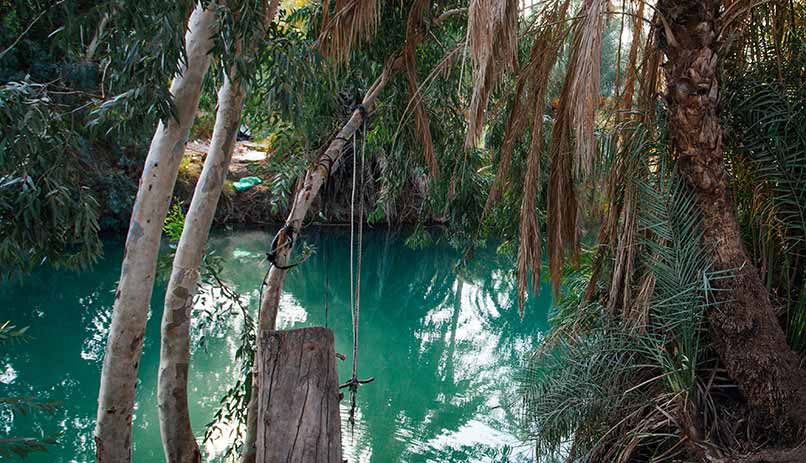
Hazbani stream in the north of Israel
Snir (Hazbani) River
The longest of the three main tributaries of the Jordan River and one of the longest in Israel. Snir Stream emerges way up north in Lebanon and flows all the way down to the Dead Sea. A section of the stream, near Baruch Spring, has been declared a nature reserve, with short, intermediate and difficult trails for your hiking pleasure. It is also possible to explore the reserve by bicycle – bring your own or rent from one of the many operators in the vicinity.
In the reserve, you will find two manmade pools, one a shallow wading pool for your bathing pleasure, and the other a reservoir and sanctuary for birds and water plants. The now defunct Trans Arabian Pipeline also passes through here.
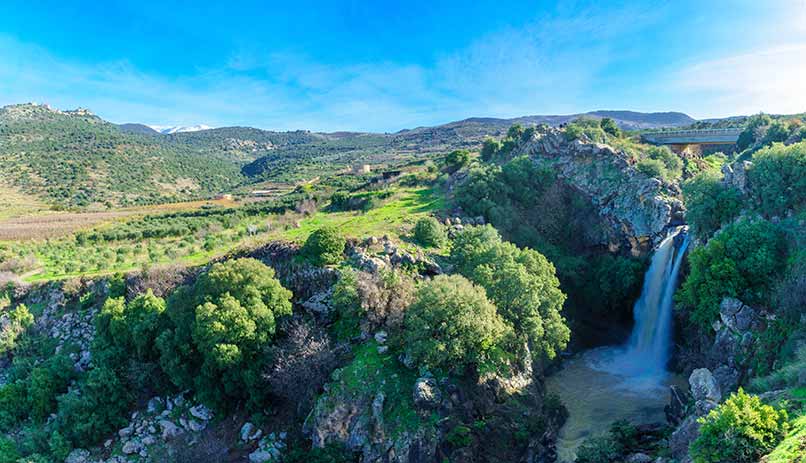
Saar waterfall with mount hermon in the background
A 1km hiking trail runs along the stream, and provides ample opportunities to dip in its cool waters and enjoy the small waterfalls, shady greenery and, surprisingly, otters.
Several operators take advantage of the many descents of this mighty stream and offer a fun kayaking experience at varying levels of difficulty. Everything is provided, including life jackets and transportation to/from the stream. The Hazbani floods in winter, so make sure to clear your visit with the Parks Authority beforehand. Whatever time of year your visit is, prepare to get very wet.
Exploring the Wonders of the Jordan River: History, Adventure, and Nature
Historical and Religious Significance
The Jordan River is deeply sacred in both Christianity and Judaism. It is famously known as the site where Jesus is believed to have been baptized—a spiritual pilgrimage point that draws countless visitors to places like Yardenit and Qasr el Yahud. The river also features in numerous biblical narratives, representing purification, transition, and divine encounters.
Camping and Leisure Along the Riverbanks
Outdoor lovers can enjoy a variety of recreation areas along the river. Popular spots for camping and glamping include:
– Park HaYarden – offers shaded picnic areas, spacious campgrounds, and access to serene river trails.
– Kfar Blum – renowned for luxury-style glamping in nature and family-friendly activities.
– Gan Hashlosha National Park (Sachne) – not directly on the Jordan but nearby, featuring warm water pools and picnic lawns.
Water Sports and Extreme Adventures
Beyond kayaking, the Jordan River caters to thrill-seekers with:
– Rafting excursions – suitable for families or adventure groups in controlled rapids.
– Stand-Up Paddleboarding (SUP) – ideal for calmer sections, combining exercise with scenic views.
– River tubing and canyoning – offered seasonally by local operators near the northern sources.
Bridges and Unique Crossing Points
The river also boasts several intriguing crossing points:
– Gesher Bnot Yaakov (Daughters of Jacob Bridge) – an ancient strategic bridge with historical layers dating back to Roman and Crusader times.
– Jordan River Crossing near Beit She’an – a modern and symbolic point connecting Israel and Jordan.
– Old Ottoman-era footbridges – scattered along the river’s meandering path, often tucked into lush nature.
Common questions about Jordan River
1. What is the source of the Jordan River?
The Jordan River originates from three main tributaries at the foot of Mount Hermon:
– Hasbani River (Snir) – Originates in Lebanon.
– Banias River – Flows from Syria.
– Dan River – Begins and flows inside Israel.
These tributaries merge in the Hula Valley to form the Jordan River, which then flows into the Sea of Galilee before continuing south to the Dead Sea.
2. Where can you swim in the Jordan River?
There are several areas along the Jordan River where swimming is possible:
– Yardenit – A well-known baptism site with calm waters.
– Rob Roy – Offers canoeing and has designated swimming spots.
– Beach areas near the southern exit of Lake Kinneret – Suitable for swimming and camping.
3. Which trails are recommended for families?
Family-friendly trails near the Jordan River include:
– Jordan River Park Trails – Includes accessible paths like the Orange Trail (wheelchair-friendly) and the Purple Trail (short and shaded).
– Jordan Park – Offers shallow river walks, biking paths, and a large pool for kids.
– Jesus Trail – A historical hiking route in the Galilee region.
4. What is the best time to visit the northern Jordan River?
– Winter (December – February) – Heavy rains can cause flooding, making some trails inaccessible.
– Spring and Summer (March – September) – Ideal for hiking and water activities, with pleasant temperatures and blooming wildflowers.
5. Can you camp near the Jordan River?
Yes, there are several designated camping sites near the Jordan River:
– Horshat Tal National Park – Offers tent rentals, bungalows, and caravan parking.
– Layla Glamping – Located near Gan HaShlosa National Park.
– Jordan River Campground – A rustic site with waterfront camping.